Should You Worry About Your Partner's Opposite-Sex Best Friend?
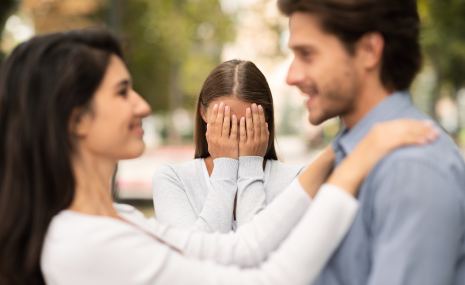 Hey loves, it's Leticia here, and today we're tackling a question that comes up time and time again in my inbox: "My new partner has a best friend of the opposite sex. Should I be worried?"
Let me tell you, I've seen this situation play out in so many different ways, and honey, there's no one-size-fits-all answer. But what I can do is walk you through how to navigate this with grace, confidence, and a whole lot of common sense.
Find your soulmate on Swirlr










The Real Talk You Need to Hear
First things first, let's get one thing straight: having friends of the opposite sex is completely normal and healthy. In fact, it's often a green flag that your partner knows how to maintain meaningful relationships beyond romance. But I get it. When you're building something new with someone, especially in an interracial relationship where you're already navigating cultural differences and outside opinions, adding another person into the mix can feel overwhelming.
The question isn't really "Should I worry?" The real question is "What am I actually worried about?"
Understanding Your Feelings
Before you go jumping to conclusions or creating drama where there doesn't need to be any, take a moment to check in with yourself. Are you feeling insecure because of past experiences? Did an ex betray your trust with a "friend"? Or is there something specific about this friendship that's setting off your internal alarm bells?
Sometimes our worry stems from our own baggage, and that's okay. We all carry stuff from our past. But it's not fair to make your new partner pay for someone else's mistakes. On the flip side, if your gut is telling you something's off, don't ignore that either. Your intuition exists for a reason.
Red Flags vs. Green Flags
Let me break down what you should actually be paying attention to:
Red Flags That Deserve Your Attention:
Your partner gets defensive or secretive when you ask about their friend. If they're hiding their phone, being vague about hangouts, or getting angry when you bring up perfectly reasonable questions, that's a problem. Transparency is the foundation of trust.
They prioritize this friend over you consistently. Now, I'm not saying your partner needs to drop everything the second you call, but if date night keeps getting canceled for their bestie, or you're always playing second fiddle, we need to have a conversation.
The friendship has blurry boundaries. Are they texting at all hours? Having deep emotional conversations that should be happening with you? Sharing intimate details about your relationship with this friend? Those boundaries need to be crystal clear.
Green Flags That Should Put You at Ease:
Your partner includes you in their friendship. When someone has nothing to hide, they'll naturally want their partner and their best friend to get along. If they're inviting you to hang out together or talking about both of you in the same breath, that's beautiful.
They're open about the history and nature of the friendship. If your partner can tell you how they met, why they're close, and what role this person plays in their life without hesitation, that openness is golden.
They maintain healthy boundaries naturally. There's a clear difference in how they interact with their friend versus how they interact with you. The emotional and physical intimacy you share should be unique to your relationship.
The Interracial Dating Factor
Now, let's keep it real about something else. When you're in an interracial relationship, you might find yourself dealing with an extra layer of complexity. Maybe this best friend is from your partner's same cultural background, and you're wondering if you'll ever truly fit into that dynamic. Or perhaps you're worried that cultural differences make it harder to read the situation accurately.
I've coached so many couples through this, and here's what I always say: communication becomes even more critical. Don't assume you understand the cultural context of their friendship. Ask questions. Learn about how friendships work in your partner's culture. Some cultures are more physically affectionate in friendships, some have different boundaries around opposite-sex relationships. Understanding this context will save you so much unnecessary stress.
How to Handle This Like the Confident Person You Are
Have an honest conversation. Sit your partner down when you're both calm and express your feelings without accusations. Use "I feel" statements instead of "You always" statements. Say something like, "I feel a little uncertain about where I fit in when you spend time with your best friend. Can we talk about it?"
Get to know the friend. Sometimes the best way to ease your mind is to actually meet this person. Suggest a group hangout where you can see their dynamic for yourself. Often, you'll realize there's nothing romantic there and you've been worried over nothing.
Establish boundaries together. Every couple needs to decide what's okay and what's not in their relationship. Have a conversation about boundaries that feels right for both of you. Maybe it's no one-on-one sleepovers, or keeping certain conversations between you two only. Whatever works for your relationship is what matters.
Work on your own confidence. Sometimes the real issue is that we don't feel secure in ourselves or in the relationship yet. Focus on building that foundation. Remind yourself why your partner chose you. You're the one they're dating, not their best friend.
Trust until given a reason not to. This is crucial, honey. You can't build a relationship on suspicion and jealousy. Start from a place of trust and pay attention to actions over time. If your partner shows you through their behavior that they're trustworthy, believe them.
When It's Time to Walk Away
Look, I'm all about working through issues and building strong relationships, but I'm also about protecting your peace. If your partner refuses to acknowledge your feelings, dismisses your concerns, or continues behavior that crosses your boundaries after you've communicated them, it might be time to reconsider the relationship.
You deserve someone who makes you feel secure and valued. You deserve someone who's willing to meet you halfway and have difficult conversations. If this situation is causing you constant stress and your partner isn't willing to work with you on it, that's not about the best friend anymore. That's about respect and partnership.
The Bottom Line
Should you worry about your partner's opposite-sex best friend? Only you can answer that question, and the answer lies in your partner's actions, your communication as a couple, and what your gut is telling you after you've done the work to separate past trauma from present reality.
Most of the time, these friendships are completely innocent and can even enrich your relationship. Your partner's ability to maintain healthy friendships is actually a good thing. But if something feels off, don't ignore it. Address it with love, honesty, and a willingness to listen.
At the end of the day, love requires trust. And trust is built through consistent actions, open communication, and mutual respect. Give your partner the opportunity to show you who they are, and pay attention to what they show you.
You've got this. Trust yourself, communicate your needs, and remember that the right person will always make room for your feelings while maintaining the important relationships in their life. That balance is possible, and you deserve nothing less.
What do you think, loves? Have you dealt with this situation in your relationship? How did you handle it, and what advice would you give to someone going through this right now? Drop a comment below and let's keep this conversation going. Your experience might be exactly what someone else needs to hear today!
- 5 Romantic Autumn Date Ideas That Spark Real Connections
- Meeting Your Date's Kids: 7 Tips for a Smooth First Introduction
- From Screen to Scene: When is the Perfect Time to Meet Your Online Match?
- Is It Okay to Chat with Multiple People on a Dating Site? Here's the Real Talk
- Responding to Family Concerns About Interracial Dating
Related Stories
-
Showcase Your Personality: Beyond Basic Profile Info
-
Navigating Coparenting: When Your Partner Shares Kids with an Ex
-
Dating a Single Parent When You're Child-Free: What You Need to Know
-

Navigating Love While Raising Little Ones: The Single Parent Dating Journey
-
Building Confidence for Interracial Dating
-
From Screen to Scene: When is the Perfect Time to Meet Your Online Match?
-

Festive Date Ideas to Spark Romance This Holiday Season





Responses to "Should You Worry About Your Partner's Opposite-Sex Best Friend?"
Be the first to leave a comment
You must be logged in to post a comment.
Advice
-
Dating a Single Parent When You're Child-Free: What You Need to Know

Dating a Single Parent When You're Child-Free: What You Need to Know Hey loves, it's Leticia here! Today we're diving into something I get asked about all the time: "Leticia, I've met someone amazing, but they have kids and I don't. Can this really work?" Honey, let m...
-
Building Confidence for Interracial Dating

Building Confidence for Interracial Dating Hey beautiful souls! It's your girl Leticia here, and today we need to have a real heart-to-heart about something I see affecting so many of my clients – confidence when it comes to interracial dati...
-
From Screen to Scene: When is the Perfect Time to Meet Your Online Match?

From Screen to Scene: When is the Perfect Time to Meet Your Online Match? Hey beautiful souls! It's your girl Leticia, and today we're diving into one of the most common questions I get from my clients: "Girl, we've been chatting online for weeks now, and the conversation i...
-
How to Avoid Dating a Narcissist: Protect Your Heart Before You Fall
How to Avoid Dating a Narcissist: Protect Your Heart Before You Fall Let me tell you something real quick. I've been coaching singles in the dating game for years now, and if there's one thing that breaks my heart over and over, it's watching beautiful souls get tangle...
-
5 Reasons Interracial Relationships Thrive
5 Reasons Interracial Relationships Thrive Hey there, beautiful people! Leticia here, and today I'm diving into something that's close to my heart - why interracial relationships not only work but actually thrive in today's world. After years ...
-
Reading the Signs: Is There Chemistry on Your First Date?
Reading the Signs: Is There Chemistry on Your First Date? Honey, let me tell you something – I've been helping singles navigate the dating world for years, and one question I hear more than any other is: "Leticia, how do I know if there's real chemistry on...
-
Long Distance Love: Your Survival Guide to Making It Work Across the Miles
Long Distance Love: Your Survival Guide to Making It Work Across the Miles Hey loves, it's Leticia here, and today we're talking about something that's close to my heart – long distance relationships. Now, I know what some of y'all are thinking: "Long distance? That's too ...
-
Dress to Impress on your next date
Dress to Impress on your next date Stand out and express your style Picture this: You've got a thrilling interracial date coming up, and you want to make a lasting impression. But why stick to the conventional fashion norms when you ca...
-
Make This Weekend Count: Dating Ideas That Leave a Lasting Impression
Make This Weekend Count: Dating Ideas That Leave a Lasting Impression Hey there, beautiful people! Leticia here, and I'm so excited to share some weekend dating inspiration with y'all. Whether you're just starting conversations with someone new or planning your fifth da...
-
How to Position Yourself for Serious Relationships
How to Position Yourself for Serious Relationships Hey beautiful souls! It's your girl Leticia, and today we're diving deep into something I get asked about constantly: "How do I attract someone who's looking for the real deal?" Honey, if I had a dol...
-
Is It Okay to Chat with Multiple People on a Dating Site? Here's the Real Talk
Is It Okay to Chat with Multiple People on a Dating Site? Here's the Real Talk Hey beautiful souls! It's your girl Leticia here, and today we're diving into one of the most common questions I get as a dating coach: "Leticia, is it okay to talk to multiple people on the dating si...
-
The #1 Reason You're Being Overlooked on a Dating Site
The #1 Reason You're Being Overlooked on a Dating Site Let me tell you something straight - I've been in this dating game for years now, both personally and professionally, and I see the same mistake happening over and over. You're putting yourself out th...
-
How to plan your Interracial Wedding
How to plan your Interracial Wedding Love is a fantastic adventure, and when two people from different cultures decide to get married, their journey becomes even more exciting and colorful. Planning a multicultural wedding means bringing...
-
Meeting Your Date's Friends: Your Ultimate Guide to Making the Right Impression
Meeting Your Date's Friends: Your Ultimate Guide to Making the Right Impression Hey there! When your new partner invites you to meet their friends, that's not just a casual hangout. That's a milestone! I'm Leticia, and today I'm breaking down everything you need to know about nav...
-
Believe in Your Magic: Why You're More Dateable Than You Think
Believe in Your Magic: Why You're More Dateable Than You Think Ladies and gentlemen, let me tell you something straight – that feeling of being "undatable" is nothing but a story you've been telling yourself for too long. I'm Leticia, and I've coached hundreds ...
-
Love Under the August 31 Supermoon: A Cosmic Date to Remember
Love Under the August 31 Supermoon: A Cosmic Date to Remember On the night of August 31, step outside and direct your gaze to the heavens. The sky will bestow upon us one of its most spellbinding phenomena: a Supermoon. The Moon, often considered a symbol of uni...
-
Navigating the Beautiful Complexity: Interracial Dating Challenges in 2025
Navigating the Beautiful Complexity: Interracial Dating Challenges in 2025 Hey there, beautiful souls! Leticia here, ready to dive deep into the world of interracial dating in 2025. Let me tell you, while we've made some amazing progress over the years, crossing cultural bou...
-
First Date Conversations: 10 Engaging Questions to Spark Connection
First Date Conversations: 10 Engaging Questions to Spark Connection The first date marks the beginning of an exciting journey, where two individuals explore the potential of a deeper connection. To foster meaningful dialogue and uncover shared interests, consider aski...
-
When to Take the Next Step: Moving from Online Chatting to Meeting in Person
When to Take the Next Step: Moving from Online Chatting to Meeting in Person Are y'all ready to level up your dating game? Hey there, I'm Leticia, and today we're talking about something that trips up so many of my clients – figuring out when it's the right time to move from...
-
Dating with Confidence: Smart Tips for Online Connections
Dating with Confidence: Smart Tips for Online Connections Hey there beautiful people! Leticia here, ready to drop some wisdom about dating smart while you're out there finding your perfect match. Let me tell you something - online dating is an amazing way to...
-
Spring Has Sprung: 10 Date Ideas to Bloom Your Interracial Relationship
Spring Has Sprung: 10 Date Ideas to Bloom Your Interracial Relationship Spring brings new life, warmer days, and fresh opportunities to connect with that special someone! As the flowers bloom and the weather warms up, it's the perfect time to venture outdoors and create m...
-
How to Handle First Date Nerves Like a Pro
How to Handle First Date Nerves Like a Pro Hey beautiful souls! It's your girl Leticia here, and honey, let me tell you something – I've been there. That heart-pounding, palm-sweating, "What if they don't like me?" feeling that hits you righ...
-
5 Lessons Our Most Successful Couples Want You to Know
5 Lessons Our Most Successful Couples Want You to Know Hey there, beautiful people! Leticia here, coming at you with some real talk about finding love across cultural lines. I've been in this dating coach game for years now, and let me tell you—I've see...
-
Top 5 Best Dating Tips for Seniors
Top 5 Best Dating Tips for Seniors Dating in your golden years can be a delightful and rewarding experience. It's an opportunity to explore new connections and enjoy the companionship. Whether you're re-entering the dating scene after ...
-
Fall in Love This Fall: 15 Autumn Date Ideas That Spark Real Connection
Fall in Love This Fall: 15 Autumn Date Ideas That Spark Real Connection Hey beautiful souls! It's your girl Leticia, and can we talk about how magical autumn is for dating? There's something about those crisp leaves, cozy sweaters, and that golden hour light that just mak...
-
Your Couple's Guide to Sexual Health
Your Couple's Guide to Sexual Health Love, passion, and trust form the foundation of any great relationship, but there's one vital aspect that sometimes gets overlooked – sexual health. This is your ultimate guide to maintaining a happ...
-
Red Flags on the First Date: Trust Your Gut
Red Flags on the First Date: Trust Your Gut Hey beautiful people! It's your girl Leticia, and today we need to have a real talk about something that could save you a whole lot of heartache down the road. I've been coaching singles for years, an...
-
Meeting Your Date's Kids: 7 Tips for a Smooth First Introduction
Meeting Your Date's Kids: 7 Tips for a Smooth First Introduction When your relationship reaches the point where it's time to meet your partner's children, it's both exciting and nerve-wracking. As someone who's coached countless interracial couples through this del...
-
From Chance Encounters to Chemistry: Real Love Stories That Will Make You Believe
From Chance Encounters to Chemistry: Real Love Stories That Will Make You Believe Hey there beautiful souls! Leticia here, comin' at you with some real-life success stories that'll warm your heart and maybe give you that push you need to keep your dating journey going strong. ...
-
Back in the Game: Your Guide to Dating After Years of Flying Solo
Back in the Game: Your Guide to Dating After Years of Flying Solo Hey beautiful souls! It's your girl Leticia, and honey, let me tell you something – I see you over there scrolling through dating profiles with your heart doing little flip-flops. Maybe you've been ...
-
New Season, New Possibilities: Refresh Your Dating Life This Spring Equinox
New Season, New Possibilities: Refresh Your Dating Life This Spring Equinox Hey there, beautiful people! Leticia here, ready to help you bloom into your best dating self this spring season! The Spring Equinox is upon us, and let me tell you - this isn't just about longer days...
-
Second Chances: Successful Interracial Dating After Divorce
Second Chances: Successful Interracial Dating After Divorce Hey beautiful souls! It's your girl Leticia, and today we're talking about something that's close to my heart—finding love again after divorce, especially when you're ready to expand your horizons a...
-
7 Questions That Show You're Culturally Curious (Not Insensitive)
7 Questions That Show You're Culturally Curious (Not Insensitive) Hey there beautiful people! Leticia here, coming at you with some real talk about navigating those early conversations in interracial dating. Let's be honest – when you're dating someone from a dif...
-
Responding to Family Concerns About Interracial Dating
Responding to Family Concerns About Interracial Dating Hey beautiful souls! It's your girl Leticia, and today we're diving into one of the most challenging conversations many of my clients face – dealing with family pushback when it comes to interracial...
-
Fall in Love This Fall: 15 Autumn Date Ideas That Spark Real Connection
Fall in Love This Fall: 15 Autumn Date Ideas That Spark Real Connection Hey beautiful souls! It's your girl Leticia, and can we talk about how magical autumn is for dating? There's something about those crisp leaves, cozy sweaters, and that golden hour light that just ...
-
How to End a Date Gracefully (Whether Good or Bad)
How to End a Date Gracefully (Whether Good or Bad) Honey, let me tell you something I learned the hard way: how you end a date is just as important as how you start one. Whether you're floating on cloud nine or counting the minutes until you can make ...
-
Should You Be Picky When Looking for Love? Let's Talk About It
Should You Be Picky When Looking for Love? Let's Talk About It Honey, let me tell you something I learned after years of coaching singles through their dating journeys – this whole "picky" conversation? It's way more nuanced than folks want to admit. So grab yo...
-
Let's Celebrate International Infinity Day!
Let's Celebrate International Infinity Day! Celebrate International Infinity Day on August 8, a day dedicated to recognizing the profound significance of the number 8 and its representation of infinite possibilities, boundless connections, and ...
-
Sizzling Summer Date Ideas to Heat Up Your Interracial Romance
Sizzling Summer Date Ideas to Heat Up Your Interracial Romance Hey there, beautiful people! Leticia here, and I'm about to spill all the tea on creating those magical summer moments with your special someone. Summer isn't just about that sunshine and those long d...
-
Embarking on a Fitness Journey with Your Partner
Embarking on a Fitness Journey with Your Partner Interracial relationships not only celebrate the beauty of diverse backgrounds but also offer a unique opportunity to embark on a fitness journey together. Working out as a couple not only promotes ph...
-
Age Gap Dating: Breaking Down the Numbers to Find Real Love
Age Gap Dating: Breaking Down the Numbers to Find Real Love Hey beautiful souls! It's your girl Leticia here, and today we're diving into one of the most requested topics in my inbox: age gap relationships. Honey, let me tell you something – love doesn't car...
-
Second Date Success: Moving from Good to Great
Second Date Success: Moving from Good to Great So you made it past the first date – congratulations, honey! That's already putting you ahead of about 60% of people out there. But now comes the real test: turning that promising first connection i...




















Find your soulmate on Swirlr





Coaching Testimonial
"My online love inspiration angel"
Submitted by: Patricia, USA, 21
To be honest, in the beginning, I thought it would be a waste of time. But since I've never seen a similar service in any other dating site, I decided to give it a try.
I always "thought" my profile was on point and I did not need any help to correct my page. I always had in my profile if someone is not attracted to my profile, then that's "their" loss.
BOY WAS I WRONG!!
I will never forget my first time using the Coaching Service I was introduced to my personal Dating Coach. Let me put it this way, if it was not for her I would have given up long time ago (even though I'm a new member).
She taught me so many things and gave me good advice, I did not want to stop chatting with her at all.
She opened my eyes to many possibilities when finding love. She is definitely an inspiration and I appreciate a whole lot. She is more than a Dating Coach to me; she is more of a close friend/guide to me. She is definitely my "online love-inspiration angel".





Most Popular
- 1. Yes, Black Women DO Benefit from Interracial Dating and Marriage!
- 2. Raising Her Profile - to the Next Level
- 3. Video: How to Tell When a 'Rainbeau' is Interested
- 4. What to look for on a First Date
- 5. Cast a wide net or filter with care?
- 6. A Graceful Goodbye: End Of Date Etiquette
- 7. Contest: Valentine's "Extreme Profile Makeover"
- 8. Contest: What's Your New Years Relationship Resolution?
- 9. Glad I Found My Husband Before That Blonde Did!
- 10. Why are Some Black Women Hating on Michael Ealy's New, Non-Black Wife?